


Written by Christopher Parsons, M.A. in English, Founder of The College Planning Center. With over 25 years in education, Christopher has guided thousands of families through the admissions journey.
Most families think about summer as a break from school. For students heading into 10th or 11th grade, it is the single best window to build the kind of resume that college admissions officers actually notice.
We see it every year at College Planning Centers. The families who plan summer intentionally — starting in 9th grade — are the ones who show up to senior year with a college list they are excited about and the credentials to match.
Why Summer Matters More Than You Think
The academic year is packed. Between AP classes, sports, clubs, and social life, there is almost no time to explore new interests or develop skills outside the classroom. Summer gives your student 10 to 12 unstructured weeks. What they do with that time makes a measurable difference.
Admissions officers at selective schools are not just looking at GPA and test scores. They want to see what students do when no one is telling them what to do. Summer is where that story gets written.
What 9th Graders Should Focus On
- Explore broadly. Ninth grade is not the time to specialize. It is the time to try things.
- Community service. Find a cause your student cares about and volunteer consistently, not just once. Habitat for Humanity, local food banks, tutoring younger students, or hospital volunteering are all strong options in Horry and Charleston counties.
- Academic enrichment. Many universities offer free or low-cost summer programs for rising sophomores. Look at programs through the College of Charleston, USC, and Clemson.
- Read. This is underrated. Students who read widely over the summer build the vocabulary and analytical skills that show up in SAT scores two years later.
- Start SAT/ACT exposure. Not full prep — just a diagnostic test to see where your student stands. Knowing the baseline early gives you time to plan.
What 10th Graders Should Focus On
- Go deeper. By the summer after 10th grade, your student should be narrowing their focus to two or three areas of genuine interest.
- Internships and jobs. Even informal ones count. If your student is interested in medicine, shadowing a doctor at Grand Strand Medical Center or MUSC matters. If they are interested in technology, look at tech internships for high school students — programs at Google, Meta, and Amazon are competitive but worth applying to.
- Test prep. This is the ideal summer to begin structured SAT or ACT preparation. Students who start the summer before junior year have time to take the test two or three times before applications are due. Our test prep programs are designed around this timeline.
- Pre-college programs. Residential programs at universities give students a taste of campus life while earning college credit in some cases. They are also excellent material for the activities section of the Common App.
- Leadership. If your student is involved in a club or sport, summer is when they can step into a leadership role — organizing a fundraiser, starting a project, or attending a leadership conference.
The Mistakes Families Make
- Waiting until junior year. By the time your student is a rising senior, the resume is mostly written. The families who start early have options. The families who start late have regrets.
- Overscheduling. A summer packed with six programs and zero downtime does not impress anyone. Depth matters more than breadth. One meaningful experience is worth more than five surface-level ones.
- Ignoring local opportunities. You do not need to fly your student to a program at Stanford to build their resume. South Carolina has strong opportunities right here — from Coastal Carolina’s summer research programs to volunteer organizations across the Grand Strand and Lowcountry.
How We Help Families Plan
At College Planning Centers, summer planning is part of our comprehensive approach. We start working with families in 9th grade to build a four-year timeline that includes summer milestones alongside academic goals.
Our college planning consultants know the local landscape — which programs are worth the investment, which scholarships have summer activity requirements, and how to build a resume that tells a compelling story.

FAQs - Summer Planning for 9th and 10th Graders
Start with three priorities: academics, exploration, and planning. That means taking rigorous classes, thinking about future majors or careers, and creating a timeline for the college search, essays, admissions deadlines, and financial aid. The earlier students begin college planning, the easier it is to find the right school and avoid last-minute mistakes.
Summer gives students extra time to build skills, explore interests, and strengthen their profile for future college admissions. For 9th and 10th graders, it is one of the best times to focus on college planning through volunteer work, academic enrichment, leadership, internships, and early test preparation.
A 9th grader should focus on exploration during the summer. Good options include community service, reading, skill-building, academic programs, and light exposure to SAT/ACT testing. These early steps help students build a strong foundation for long-term college planning.
By the summer after 10th grade, students should begin narrowing their interests and going deeper in a few areas. Strong choices include internships, part-time jobs, leadership activities, structured test prep, and pre-college programs that support future college admissions goals.
Yes, internships and summer jobs can strengthen college applications because they show responsibility, initiative, and real-world experience. Even informal opportunities can support a student’s story if they connect to academic interests, career goals, or leadership growth.
Yes, community service can help with college admissions when it is consistent and meaningful. Colleges value students who show genuine involvement, long-term commitment, and a willingness to make an impact in their school or community.
The best summer activities are the ones that match a student’s interests, strengths, and long-term goals. Instead of filling the schedule with too many unrelated programs, families should focus on a few meaningful experiences that support strong college planning and personal growth.
Families should start college planning as early as 9th grade. Starting early gives students more time to build academics, activities, leadership, and summer experiences that support a stronger and more competitive college application.
Yes, local summer programs can be excellent for college preparation. Students do not need expensive or far-away programs to stand out. Local volunteer work, academic enrichment, internships, and leadership opportunities can all support a strong college admissions profile.
College Planning Centers helps families create a smart summer strategy that supports long-term college planning and college admissions success. Our college planning consultants guide students in choosing the right mix of summer programs, community service, internships, leadership opportunities, and test prep based on their goals.
Conclusion
Summer is not just time off. For 9th and 10th graders, it can be one of the most important seasons for building experience, exploring interests, and preparing for the future.
Families who start early often have more flexibility, fewer regrets, and a stronger foundation when college application season arrives. A thoughtful summer plan can help students build confidence now while also strengthening their college admissions story later.
If your family wants a clearer strategy, College Planning Centers can help you turn summer into a meaningful part of your student’s long-term college plan.

Families Trust Us With Their Future
Real results from real families — read what parents say about working with Chris.

Dana J.
Local Guide · 16 reviews · 2 photos


3 weeks ago

+200 SAT Points · Accepted Everywhere

Gwyn S.
3 reviews · 2 photos
3 weeks ago
Dream School · Merit Scholarship

Ladonna Susan C.
5 reviews · 0 photos
3 weeks ago
+5 ACT Points · $40K+ Scholarships
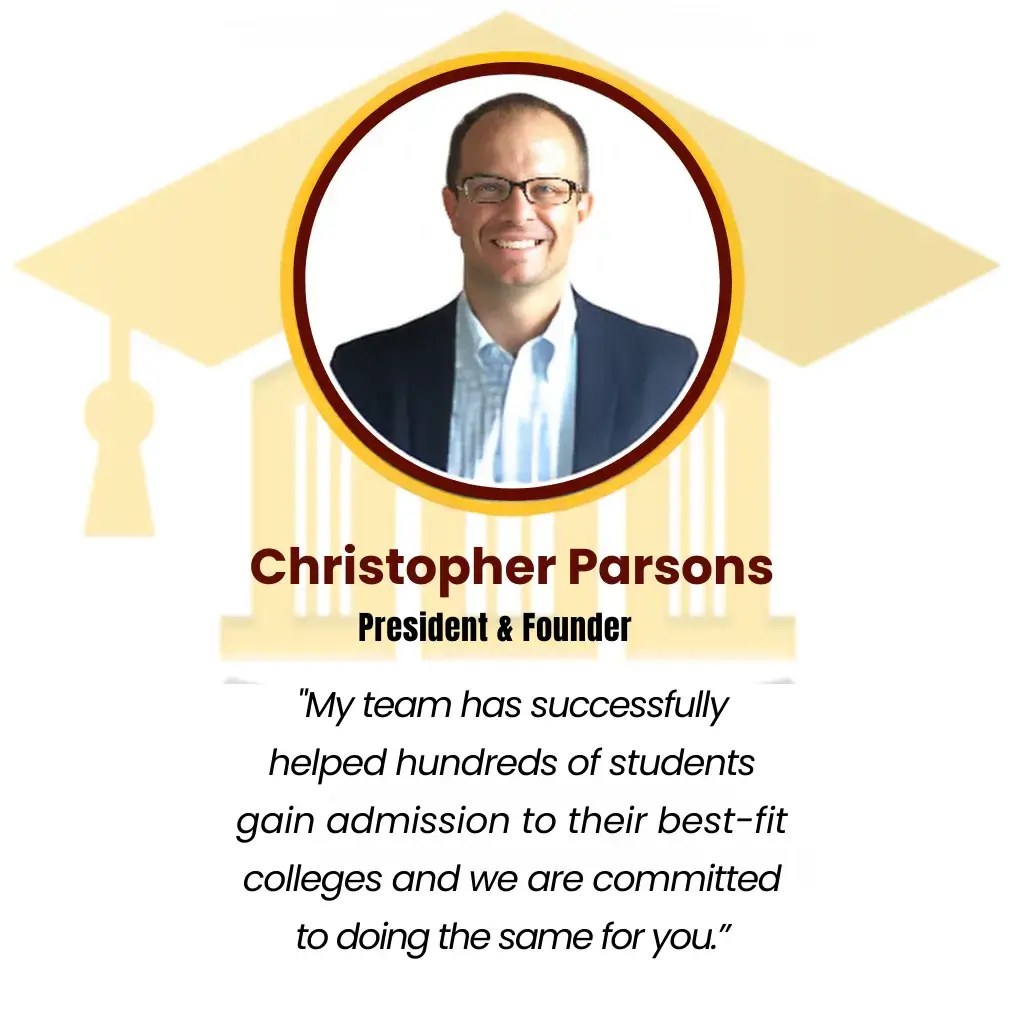
Special thanks to Christopher Parsons for writing this blog post.
Christopher has a strong educational background, including Doctoral studies in English Literature and Creative Writing, a Master’s Degree in English, and a Bachelor of Arts Degree in English and History. He also has a background in Mass Communications and Public Relations/Marketing.
He has successfully won scholarship offers from prestigious schools and over $250,000 in grants and scholarships. His real-world personal experience resonates well with today’s students.
