


Written by Christopher Parsons, M.A. in English, Founder of The College Planning Center. With over 25 years in education, Christopher has guided thousands of families through the admissions journey.
Table of Contents
ToggleKeynotes (Quick Scan)
- Real-world experiences like job shadowing for high school students and internships for high school students build clarity, confidence, and direction.
- Thoughtful involvement in community service in high schools enhances both personal growth and college applications.
- Paid internships for high school students and online internships for high school students provide flexible opportunities for teens to gain professional experience.
- Parents play a crucial role in guiding teens toward experiences that align with their interests and future goals.
Why Real-World Experience Matters
Back when many of us applied to college, the formula was fairly predictable: earn strong grades, score well on standardized tests, fill out a few applications (by hand!), and watch the acceptances roll in. Today, that world barely exists.
The college landscape has changed dramatically since we were in high school. Admissions rates at selective colleges continue to shrink. The cost of attendance keeps climbing. And the luxury of “taking a few years in college to figure things out” is fading quickly as families face tuition numbers that regularly top $30,000 a year for in-state public universities — sometimes much more.
For our teens, this means something important:
- They no longer have the time or financial freedom to wander aimlessly.
- To be competitive college applicants — and to make smart decisions once they arrive on campus — students need clarity, confidence, and direction.
- And the best way to develop those qualities isn’t only in the classroom. It’s through meaningful real-world experiences, like job shadows for high school students, internships for highschoolers, and community service ideas for high school students.
Job Shadowing for High School Students
Most teens have only a vague idea of what adults actually do all day. Job shadowing for high school students changes that.
These short experiences — often just a day or two — give students a behind-the-scenes look at careers they may have considered or never imagined. Seeing the real work environment helps them rule out paths that don’t suit them and validate those that do.
That clarity is invaluable. Just a single shadowing experience might prevent a student from spending months pursuing the wrong major or, on the positive side, inspire them to take courses that align with their future goals.
How Parents Can Help
- Encourage curiosity — “What jobs interest you?”
- Tap into your network: friends, neighbors, coworkers
- Frame it as exploration, not commitment
- Even one shadowing experience can help your student make smarter choices moving forward.
Internships for High School Students
Once a teen has “tried on a few hats,” an internship becomes the logical next step.
Internships for high school students allow teens to spend more time doing real work in a professional setting. They learn workplace communication, take on responsibilities, and see how professionals solve problems. Paid internships for high school students and online internships for high school students provide flexible ways for teens to gain this experience.
These experiences show colleges that a student is not just dreaming about their future but is also actively working toward it. Internships are even better because they lower the chances of changing majors in college. Students who get professional experience often choose their majors and careers with more confidence.
How Parents Can Help
- Suggest possible career fields based on interests
- Connect with adults who might host an intern
- Encourage your student to reach out personally
Parents, teachers, coaches, and youth leaders can be powerful connectors in helping teens find opportunities.
Community Service in High Schools
Community service in high schools remains one of the most impactful ways students can grow — both personally and as applicants.
But service that is planned and fits with a student’s interests can be even more powerful. For instance, a student who wants to be a doctor volunteering with the Red Cross shows initiative and makes good use of their time. Admissions officers pay attention to smart choices like this.
Long-term service helps students grow up, learn to care about others, and be thankful, all of which will help them do well after high school.
How Parents Can Help
- Help teens identify causes they care about
- Suggest service that aligns with academic/career interests
- Encourage long-term engagement over one-off hours
Colleges value sustained engagement because it often leads to better learning and, in some cases, real leadership.
Making Plans for Getting Into College
It’s true that teens today have a lot of questions:
- How to go from 0% to 100% chance of getting into college
- How to read college admission letters and get into college
- What looks good when you apply to college
- When can kids in the Class of 2026 start applying to college?
- What time do college applications need to be in?
- College applications need volunteer hours and how many community service hours for high school
- How to stand out in college applications using a college application spreadsheet
How teens answer these questions is directly affected by what they have done in real life. Job shadows, internships, and community service are all great ways for your teen to show off more than just their grades and test scores.
The Big Picture: Purpose Over Pressure
Job shadowing, internships, and community service are not the only ways to stand out, but they are some of the easiest and most useful.
The main point is this: Students stand out when they spend their time wisely on things that help them grow as people and professionals.
Teens and parents alike often think that success means always working hard. But when students put quality over quantity, they learn more about themselves, get a clearer idea of what they want to do, and make better choices about college and work.
Even if the journey doesn’t lead to a “dream school,” the benefits remain. Experiences like these build confidence, clarity, independence, and maturity. They help students work things out — and that will serve them far beyond the admissions process.
In other words: Thoughtful effort now will pay dividends later. Carpe diem.

🧠 FAQs - Why Real-World Experience Matters More Than Ever for Teens
Short-term observation experiences allowing teens to see professionals at work.
Quality and alignment matter more than total hours; most colleges appreciate 50–100 hours over high school.
Volunteering at hospitals, tutoring, environmental projects, local nonprofits, or school clubs.
Yes, some organizations and businesses offer stipends or hourly pay.
Absolutely — many companies and nonprofits offer remote opportunities.
Encourage meaningful real-world experiences, strong academics, and thoughtful service projects.
Typically, applications open in August or September of their senior year.
Deadlines vary by school; check specific college websites and use a college application spreadsheet to track dates.
Many colleges value them, but quality and relevance to interests are more important than quantity.
Start early, get real-world experience, make sure your extracurricular activities match your interests, keep up with your schoolwork, and keep an eye on deadlines.
Key Takeaways
- Job shadowing, internships, and community service all help you understand things better and feel more confident.
- Parents are connectors. Your help can help people have important experiences.
- Alignment is important. Pick experiences that relate to your teen’s interests and goals for the future.
- It’s better to have fewer but deeper experiences than to check off a lot of boxes.
- Being ready for college comes naturally. Experiences lead to stronger applications, better choices, and personal growth.

Families Trust Us With Their Future
Real results from real families — read what parents say about working with Chris.

Dana J.
Local Guide · 16 reviews · 2 photos


3 weeks ago

+200 SAT Points · Accepted Everywhere

Gwyn S.
3 reviews · 2 photos
3 weeks ago
Dream School · Merit Scholarship

Ladonna Susan C.
5 reviews · 0 photos
3 weeks ago
+5 ACT Points · $40K+ Scholarships
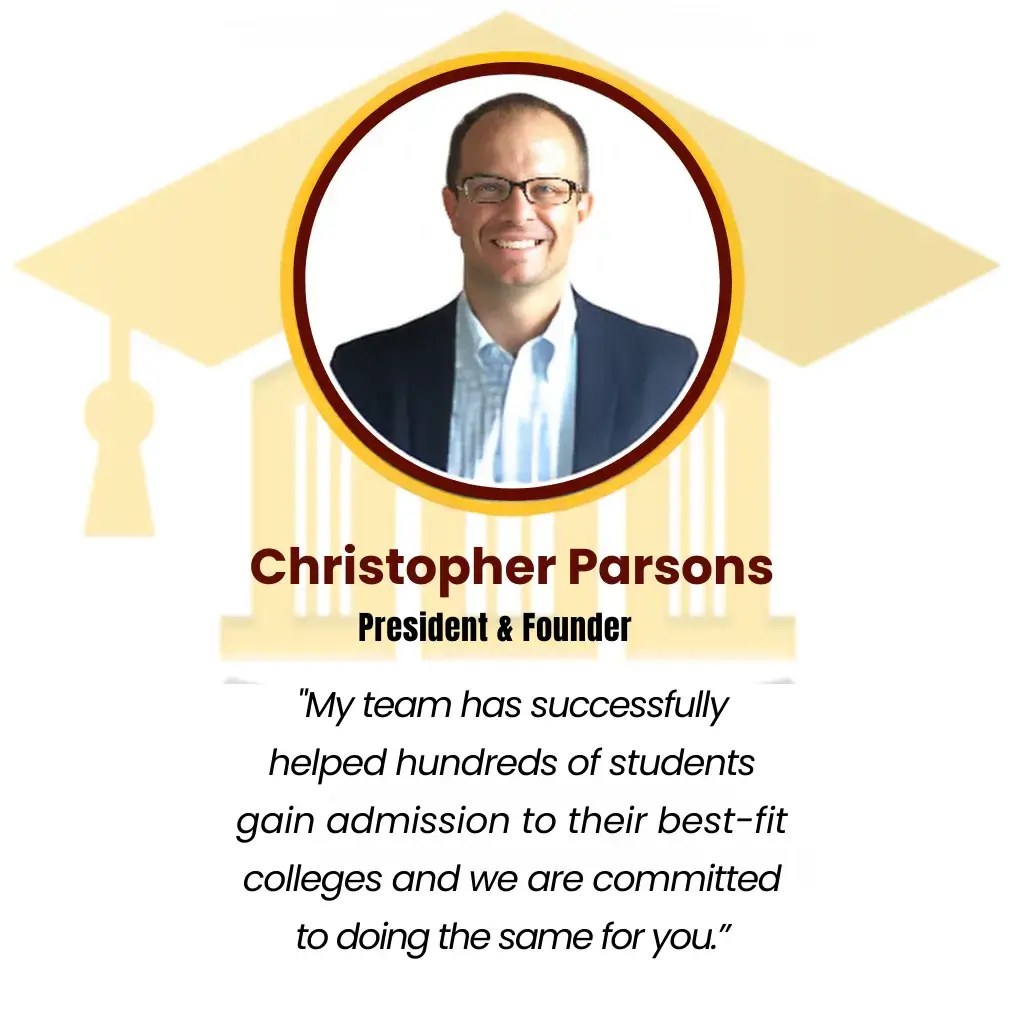
Special thanks to Christopher Parsons for writing this blog post.
Christopher has a strong educational background, including Doctoral studies in English Literature and Creative Writing, a Master’s Degree in English, and a Bachelor of Arts Degree in English and History. He also has a background in Mass Communications and Public Relations/Marketing.
He has successfully won scholarship offers from prestigious schools and over $250,000 in grants and scholarships. His real-world personal experience resonates well with today’s students.
