

Written by Christopher Parsons, M.A. in English, Founder of The College Planning Center. With over 25 years in education, Christopher has guided thousands of families through the admissions journey.
Introduction
Landing your first high school internship is more than just an after-school opportunity — it’s your first step into the real world. The College Planning Center helps high school students turn their curiosity into work experience through structured internship programs in business, STEM, medicine, and the arts.
If you’re looking for paid internships for high school students, remote or online internships, or STEM internships that allow you to pursue your passion, this guide will teach you how to find, apply for, and succeed at internships.
Key Concepts (Quick Scan)
- What it really means to have an internship as a high school student.
- When to apply for summer internships and why timing matters.
- How to use The College Planning Center as your personal internship finder.
- Key differences between paid, free, and online internship opportunities.
- What to avoid when applying — from late submissions to generic resumes.
What Is an Internship for High School Students?
Why Are Internships Worth the Time?
An internship gives students hands-on experience in a field they’re curious about — before college even begins. It’s not just a summer activity; it’s training for real-world thinking.
Internships help students:
- Find possible career paths and majors.
- Develop your communication and time management abilities.
- Develop your teamwork and professionalism.
- Clearly define your future goals.
At The College Planning Center, we have seen firsthand how a well-selected internship can help students discover their purpose, enhance their college applications, and set themselves apart from their peers.
When to Start Applying for Summer Internships: A Timeline
Just as crucial as knowing where to look for summer internships is knowing when to apply. The majority of companies begin hiring months in advance, so planning is essential.
December to Early March for Summer Internships
This is the best time to find competitive opportunities, particularly for high school students looking for internships in business, medicine, or STEM. Certain programs, such as internships in research or aerospace, might start as early as November.
Apply as soon as possible, polish your CV, and visit the company’s website once a week to see any updates.
Rolling / 2–3 Months in Advance for General Internships
If you want to do an online internship or one that lasts all year, you should start applying two to three months before your preferred start date. Many flexible programs, such as coding internships or remote internships for high school students, accept applications on a rolling basis.
May to Early July for Fall Semester Internships
If you want to get ready for fall, apply before school starts. A lot of the time, companies look for interns in marketing, law, and tech at the end of summer. Colleges love to see students who take the initiative and apply early.
Types of Internships for High School Students
Paid and Free Internship Opportunities
High school students who do paid internships get both money and experience. But don’t forget about free internships; many of them lead to scholarships, recommendations, and even job offers.
Online and Remote Internships for High School Students
Students can now connect with mentors around the world through remote internships made possible by virtual learning. Professional learning is now accessible from any location thanks to digital programs, such as free online engineering internships for high school students or AI internships.
STEM and Research Internships for High School Students
STEM internships, which cover physics, biology, computer science, and other subjects, are ideal for inquisitive minds. High school students can explore academic inquiry at an early age by participating in research internships offered by numerous labs and universities.
Medical, Hospital, and Summer Medical Internships
Medical internships and hospital internships for high school students provide practical exposure to clinical settings if you have a strong interest in healthcare. Students are frequently motivated to enroll in pre-med or nursing programs by these experiences.
Business, Law, and Marketing Internships
High school students who participate in business internships develop their leadership and problem-solving abilities. Law students visit courts and gain knowledge as part of their internships. They instruct marketing students in branding, communication, and creativity.
Tech, engineering, and architecture internships
An internship in mechanical, aerospace, or building engineering is an option for students who are interested in engineering.. Internships in technology or aerospace engineering are options for those with an interest in innovation; both provide a link between theory and practice.
Internships for High School Students Interested in Classical Studies
For high school students interested in classical studies, internships connect academic curiosity with historical, literary, or artistic institutions, museums, and archives.
How to Find Internships for High School Students
Using School and Local Resources
First, speak with your high school counselor or community service office. Look for internships at local companies, colleges, or healthcare facilities.To connect students with authorized internships, the College Planning Center collaborates with several organizations.
Searching Online Internship Platforms
Websites like Idealist, GoAbroad, and InternshipPrograms.com list opportunities both domestically and overseas. Combine these with The College Planning Center’s high school student internship finder, which sorts listings according to interest and availability.
Tools for the College Planning Center and Networking
Human connections are vital. Talk to parents’ coworkers, connect with mentors, and attend local employment fairs. Utilize The College Planning Center’s application and interview preparation tools to project confidence.
Tips for Applying to Summer Internships
Pay attention to the date the application opens.
The week that opportunities are posted, take note of the deadlines and start applying.
Check social media and business websites for updates.
Follow businesses on LinkedIn or Instagram to learn about job openings as soon as they are announced.
Network to Get Noticed by Recruiters
Talk to experts both in person and online. The advice of a mentor can make a big difference.
Think About a Pre-Internship Activity
Experiences with short-term volunteer work or project-based learning, even online, enhance your application and show initiative.
Prepare Your Application in Advance
Review resumes, get recommendations, and write your essays in advance. To help you polish your application, the College Planning Center provides resume templates and practice interviews.
Things Not to Do When Applying
Waiting Until the Last Minute
Summer internship applications usually close early.Delays can cost you opportunities.
Adding Generic Applications
Make each resume and cover letter unique.Be very dedicated to the goals of each company.
Not enough people applied
Do as many STEM, business, and creative classes as you can to improve your chances.
Not acting professionally on social media
People who want to hire someone often look at their on-line background. Make sure you can trust them, they are prepared, and they will help you reach your work goals.
Conclusion
Internships teach people how to be responsible, curious, and work well with others. You can stop looking for chances and start making them by working with The College Planning Center, starting early, and making plans.
Your future is one step closer with each internship, and this is the perfect time to start.
Key Takeaways
- The majority of summer internships are available from December to March.
- Use the College Planning Center’s internship finder to stay on top of applications and due dates.
- Investigate internships in business, medicine, and STEM for exceptional skill development.
- Take into account both paid and unpaid internships because experience is the real currency.
- Being prepared is always the key to success, so apply with confidence and make contacts as soon as you can.
Notes and Tips
- If you want to get a job, you should apply as soon as possible because spots fill up quickly.
- You should make a resume every term.
- Talk to a counselor or coach about how to behave in an interview.
- Keep your online image professional.
- Use the tools in The College Planning Center to get personalized help

Frequently Asked Questions
Use the internship finder at The College Planning Center or speak with your school counselor first. Additionally, a lot of communities advertise job openings at tech startups, museums, and hospitals.
Look through carefully curated listings on The College Planning Center platform or visit InternshipPrograms.com, Idealist, and GoAbroad.
Most of the time, applications are received from December to March. STEM and medical schools often end early in the fall, so start getting ready then.
In fact, many of them do pay by the hour or offer stipends, especially for business, technology, and marketing jobs. Free internships also give you skills that will help you in college and help you find a mentor.
Look for jobs in areas that are related to your goals, like STEM, architecture, aerospace engineering, or law..
Students and teachers can talk to each other over the internet and through video calls. You can do your schoolwork and get some real-world experience at the same time.
Explore research, computer science, chemistry, biomedical engineering, or aerospace internships offered by universities or labs.
While remote internships and project-based positions may have varying durations, most programs last between six and ten weeks.
We connect students with verified internship programs, offer resume and essay support, and provide interview preparation for every opportunity.
Avoid generic submissions and late applications. Keep communication professional, follow instructions, and show genuine enthusiasm.
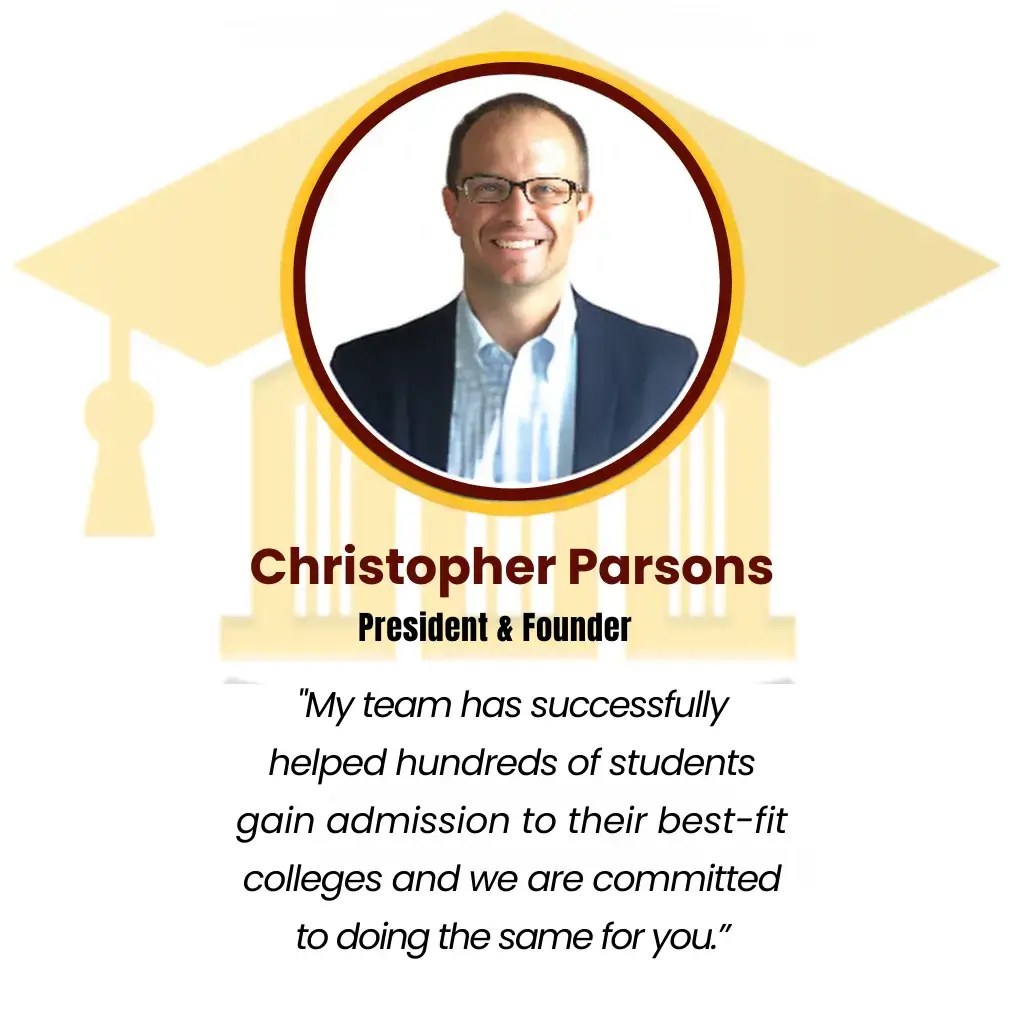
Special thanks to Christopher Parsons for writing this blog post.
Christopher has a strong educational background, including Doctoral studies in English Literature and Creative Writing, a Master’s Degree in English, and a Bachelor of Arts Degree in English and History. He also has a background in Mass Communications and Public Relations/Marketing.
He has successfully won scholarship offers from prestigious schools and over $250,000 in grants and scholarships. His real-world personal experience resonates well with today’s students.