


Written by Christopher Parsons, M.A. in English, Founder of The College Planning Center. With over 25 years in education, Christopher has guided thousands of families through the admissions journey.
Tech internships for high school students have exploded in availability over the past three years. What used to be a handful of programs at big-name companies has grown into a legitimate category of summer experiences — and for the right student, they are one of the strongest additions you can make to a college application.
We published our original guide to high school tech internships last year, and it has become the most-visited page on our entire site. That tells us families are hungry for this information. Here is the updated version for summer 2026.
Table of Contents
ToggleWhy Tech Internships Stand Out on Applications
Google’s flagship program for rising college freshmen (graduating high school seniors). An intensive computer science program with mentorship from Google engineers. The format and duration have evolved — check Google’s careers page for the latest 2026 details.
Who should apply: Graduating seniors planning to study CS or a related field who have some coding experience.
Application window: Typically opens early in the year. Check Google’s careers and education pages for current dates.
Cost: Historically free, with Google covering expenses. Verify current terms when applying.
Top Programs for Summer 2026
Google CSSI (Computer Science Summer Institute)
Google’s flagship program for rising college freshmen (graduating high school seniors). An intensive computer science program with mentorship from Google engineers. The format and duration have evolved — check Google’s careers page for the latest 2026 details.
Who should apply: Graduating seniors planning to study CS or a related field who have some coding experience.
Application window: Typically opens early in the year. Check Google’s careers and education pages for current dates.
Cost: Historically free, with Google covering expenses. Verify current terms when applying.
Meta (Facebook) High School Internship
Meta has expanded its high school programs in recent years, focusing on students from underrepresented backgrounds in tech.
Who should apply: Juniors and seniors interested in technology, engineering, or product design.
Duration: 6 to 8 weeks depending on the program.
Amazon Future Engineer
Amazon’s program includes both scholarship opportunities and paid internship placements for students in computer science.
Who should apply: Students who have taken at least one AP Computer Science course or equivalent coding experience.
Bonus: Includes a scholarship component that can carry into college.
Microsoft TEALS and Explore Programs
Microsoft runs several programs aimed at high school students, from in-classroom mentoring (TEALS) to summer experiences.
Who should apply: Students at all skill levels. TEALS is particularly good for students just starting to explore CS
Local and Regional Programs
Not every strong tech internship is at a Fortune 500 company. Some of the most accessible and valuable experiences for SC students are local:
Coastal Carolina University runs summer research and STEM programs that accept high school students.
Charleston Digital Corridor connects students with local tech startups for summer experiences.
Code.org and local coding bootcamps offer intensive programs that build real portfolio projects.
Hospital and healthcare tech. MUSC and Grand Strand Health have technology departments that occasionally accept student interns.
How to Get In
The competitive programs receive thousands of applications. Here is what improves your student’s chances:
Start coding before you apply. Programs like Google CSSI expect applicants to have basic programming knowledge. Free resources like Codecademy, freeCodeCamp, and Harvard’s CS50 on YouTube can build a foundation in a few months.
Build a project. Applicants who can point to something they built — a website, a simple app, a data analysis project — stand out from those who list only coursework.
Write a strong personal statement. Most applications ask why you are interested in the program. Students who connect their interest to a specific experience or goal are more compelling than those who write “I like technology.”
Apply to multiple programs. The acceptance rates at top programs are low. Apply to five or six to improve your odds.
Meet deadlines. This sounds obvious, but we lose more students to missed deadlines than to rejection. Most applications open between January and March for summer programs.
If Your Student Does Not Get In
Rejection from a competitive program is not a failure. It is what happens to most applicants. The important thing is that your student still does something meaningful with their summer.
Alternatives that look just as strong on a college application:
Self-directed project. Build an app, create a website, launch a blog, or complete an online certificate.
Local volunteering with a tech component. Help a nonprofit build their website or set up their systems.
Online courses with certification. Google Certificates, AWS Cloud Practitioner, and CompTIA courses are all available to high school students.
The point is not the brand name on the program. It is what your student learned and what they can talk about in an interview or essay.

Frequently Asked Questions About Tech Internships for High School Students
The best tech internships for high school students are the ones that provide hands-on experience, mentorship, and real exposure to coding, engineering, data, or product work. Strong options include university programs, STEM research opportunities, startup internships, and selective summer tech programs. College Planning Center helps students identify internships that match their interests, skill level, and long-term college goals.
Yes, high school students can get tech internships, although many of the strongest programs are competitive. Some internships are designed for juniors and seniors, while others are open to younger students with strong STEM interest or coding experience. Local programs, virtual opportunities, and school-connected options can also be valuable.
To get a tech internship in high school, students should start early, build basic technical skills, create small projects, and apply to multiple programs. A strong college application often includes coursework, extracurricular involvement, and a clear explanation of interest in tech. College Planning Center helps students present these experiences in a more strategic way so their college applications are stronger and more competitive.
Not always, but coding experience can make a student more competitive for many summer tech internships. Some programs are beginner-friendly, while others expect students to already know languages like Python, Java, or HTML/CSS. Even a simple project or online course can help show initiative and interest.
Students should begin searching for summer tech internships several months in advance, since many programs open applications between January and March. Applying early gives students more time to prepare essays, resumes, and supporting materials. College Planning Center can help families stay ahead of these deadlines and build a summer plan that supports college admissions goals.
Yes, tech internships for high school students can strengthen college applications by showing initiative, curiosity, and real-world engagement in STEM. They can also give students stronger material for essays, interviews, and activity lists. College Planning Center helps students position these experiences effectively so they support a clear and compelling admissions story.
Some tech internships for high school students are paid, while others are unpaid, stipend-based, or structured as educational summer programs. Compensation depends on the organization, location, and type of internship. Families should always review program details carefully before applying.
A strong tech internship application should include relevant classes, coding experience, personal projects, extracurricular activities, and a clear reason for applying. The best applications are specific and show real interest in technology, not just a general desire to build a resume. College Planning Center can help students organize these strengths into a more polished and effective application.
If a student does not get into a tech internship, they can still have a strong summer by building a personal project, taking online courses, volunteering, joining a STEM program, or earning a certification. Colleges care about initiative and growth, not just brand-name programs. A meaningful self-directed experience can still add value to a college application.
It depends on the student’s goals, but summer tech internships often stand out because they show practical experience, initiative, and real-world exposure. Summer classes can also be valuable, especially if they build academic depth or technical skills. College Planning Center helps families decide which option makes more sense based on the student’s interests, current profile, and overall college admissions strategy.
Planning for Next Summer Starts Now
If your student is a freshman or sophomore reading this and thinking “I will apply next year,” start preparing now. Take a coding class, join or start a technology club at school, and begin working on projects that demonstrate skill and interest.
At College Planning Centers, we help students build activity profiles that support their college goals. Tech internships are one piece of a larger strategy — and we help families put all the pieces together.
Want help building your student’s extracurricular strategy? Schedule a free consultation and we will create a plan that fits their interests and timeline.

Families Trust Us With Their Future
Real results from real families — read what parents say about working with Chris.

Dana J.
Local Guide · 16 reviews · 2 photos


3 weeks ago

+200 SAT Points · Accepted Everywhere

Gwyn S.
3 reviews · 2 photos
3 weeks ago
Dream School · Merit Scholarship

Ladonna Susan C.
5 reviews · 0 photos
3 weeks ago
+5 ACT Points · $40K+ Scholarships
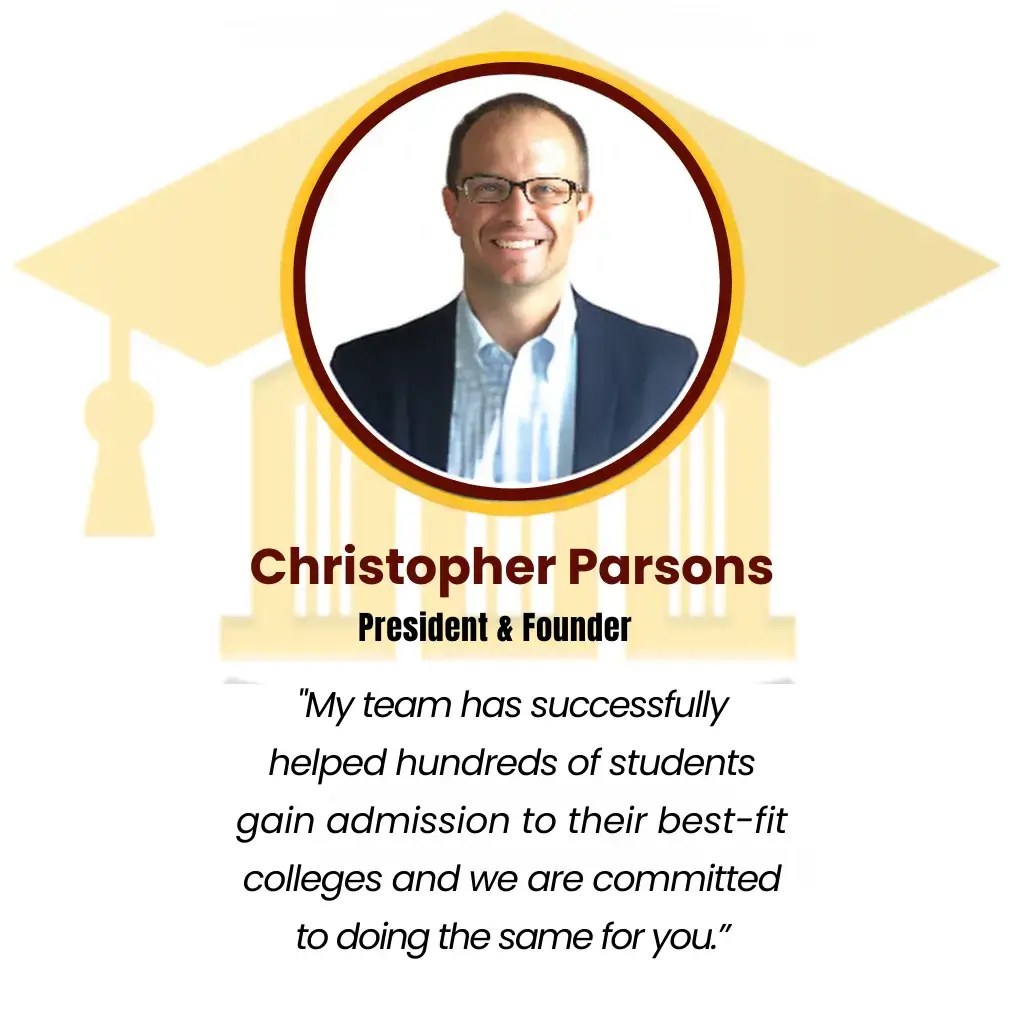
Special thanks to Christopher Parsons for writing this blog post.
Christopher has a strong educational background, including Doctoral studies in English Literature and Creative Writing, a Master’s Degree in English, and a Bachelor of Arts Degree in English and History. He also has a background in Mass Communications and Public Relations/Marketing.
He has successfully won scholarship offers from prestigious schools and over $250,000 in grants and scholarships. His real-world personal experience resonates well with today’s students.
