


Written by Christopher Parsons, M.A. in English, Founder of The College Planning Center. With over 25 years in education, Christopher has guided thousands of families through the admissions journey.
Table of Contents
ToggleKey Concepts
- Changing direction in school is not failure — it’s growth.
- Pausing and reflecting prevents burnout and opens new perspectives.
- Honest feedback is a shortcut to improvement.
- Pivoting is a strength, not a weakness.
- Experimentation breaks cycles of frustration.
- Progress matters more than perfection.
- Protecting energy ensures sustainable success.
- Lessons from high school challenges prepare students for great academic planning in college.
Tonight, I sat on my porch and watched a dragonfly wear itself out trying to escape. It kept ramming into the ceiling and the wall, convinced that was the only way forward. Eventually, it dropped to the floor — not beaten, just tired. And in that pause, something shifted. From the ground, the dragonfly had a new angle, a fresh perspective. Instead of flying headfirst into the same dead end, it spotted the open path and soared toward freedom.
How often do we do the same thing in life — especially in school? We push ourselves down one road because we think it’s the only way, even when it’s draining us. The truth is, changing direction doesn’t mean failure. It means growth. That lesson matters in high school, and it’s just as important when you start thinking about great academic planning in college.
So, what can we learn from that dragonfly? Here are six best practices for overcoming obstacles and setting yourself up for success.
Pause and Assess Your Goals for Great Academic Planning in College
What to do: Step back when things feel off. If your classes, study habits, or extracurriculars aren’t working, ask: “Is this getting me closer to where I want to be?”
Example: A student who kept rereading notes late into the night realized she wasn’t actually retaining anything. By pausing, she saw that her method wasn’t effective and tried active recall instead.
Why it matters: You can’t change course if you never stop to think. Pausing creates the space to see whether your path aligns with great academic planning in college or if it’s time to adjust.
Ask for Honest Feedback to Support Great Academic Planning in College
What to do: Seek advice from people who see the bigger picture — teachers, advisors, or even peers. Don’t just ask how to get an A; ask what you could do differently to grow.
Example: A professor might notice that your essays lack structure and suggest an outline method. A coach might see that you’re burning out because you never rest between practices.
Why it matters: Feedback isn’t criticism; it’s a shortcut to better results. Others can often see the open window you’ve been missing, helping you strengthen great academic planning in college.
Be Willing to Pivot for Great Academic Planning in College
What to do: Understand that changing direction doesn’t erase your progress. If a course feels overwhelming or unfulfilling, explore alternatives that match your strengths and interests.
Example: A student who struggled in chemistry discovered a passion for psychology after switching electives. That shift set the stage for a future career in counseling.
Why it matters: Flexibility is a cornerstone of great academic planning in college. Pivoting is not quitting — it’s adapting, and adaptability is a skill that will carry you far beyond the classroom.

Break the Cycle of Overloading with Great Academic Planning in College
What to do: Don’t confuse working harder with working smarter. If your methods aren’t producing results, try something new — different study techniques, new environments, or better time management tools.
Example: One student kept drowning in distractions at home. Simply moving her study sessions to the library transformed her productivity.
Why it matters: Doing the same thing over and over won’t create new results. Experimentation and creativity are the fuel for great academic planning in college and long-term success.
Focus on Progress, Not Perfection in Great Academic Planning in College
What to do: Celebrate small steps forward. Progress adds up, even if it doesn’t feel monumental in the moment.
Example: Raising a grade from 70 to 78 may not feel like perfection, but it shows growth. That improvement builds confidence and momentum.
Why it matters: Fixating on perfection leads to frustration. Recognizing progress keeps you motivated and grounded in the bigger picture of great academic planning in college.
Protect Your Energy and Balance for Great Academic Planning in College
What to do: Prioritize rest, breaks, and activities that recharge you. Balance is not wasted time — it’s an investment in your focus and resilience.
Example: Taking a weekend hike or enjoying time with friends can reset your mind and prevent burnout. When you return, you’ll have the energy to tackle challenges more effectively.
Why it matters: You can’t soar if you’re exhausted. Protecting your energy ensures that your efforts in high school and your future with great academic planning in college are sustainable.
Final Thought
High school and college both bring walls to crash into — tough classes, unexpected setbacks, shifting goals. But like the dragonfly, you don’t have to stay stuck. Pause, listen, pivot, and protect your energy. You’ll be amazed at the opportunities that open up once you stop charging into the wrong direction.
The journey toward great academic planning in college isn’t about never making mistakes. It’s about gaining perspective, adjusting when needed, and celebrating the progress you make along the way.
Carpe diem!
Key Takeaways
- Changing direction is a sign of wisdom, not weakness.
- Honest feedback and reflection sharpen growth.
- Pivoting builds resilience and adaptability.
- Smart experimentation beats endless repetition.
- Progress, not perfection, sustains motivation.
- Energy and balance fuel long-term academic success.
- The lessons of the dragonfly apply directly to great academic planning in college.
Frequently Asked Questions
It means building a flexible, intentional plan for classes, study habits, and personal balance that supports both short-term success and long-term goals.
High school offers more structure, while college requires more independence and proactive decision-making. Both benefit from reflection and adaptability.
Feedback from professors, advisors, or peers helps you see blind spots, refine strategies, and make smarter adjustments.
If a course, major, or study habit consistently drains you or fails to yield results, it’s worth exploring alternatives.
Balance prevents burnout. Rest, hobbies, and downtime fuel productivity and resilience.
No. Progress is more valuable than perfection. Small improvements build momentum and confidence over time.
Experimentation reveals what actually works for you — flashcards, group study, active recall — instead of wasting effort on ineffective methods.
Yes. A clear plan reduces uncertainty and helps you manage workload, deadlines, and expectations more calmly.
Look for steady improvement in grades, reduced stress, and alignment with long-term goals. If those aren’t present, reassess.
Pause and reflect on your current habits, then set specific goals. From there, seek feedback, experiment, and adjust as needed.

Families Trust Us With Their Future
Real results from real families — read what parents say about working with Chris.

Dana J.
Local Guide · 16 reviews · 2 photos


3 weeks ago

+200 SAT Points · Accepted Everywhere

Gwyn S.
3 reviews · 2 photos
3 weeks ago
Dream School · Merit Scholarship

Ladonna Susan C.
5 reviews · 0 photos
3 weeks ago
+5 ACT Points · $40K+ Scholarships
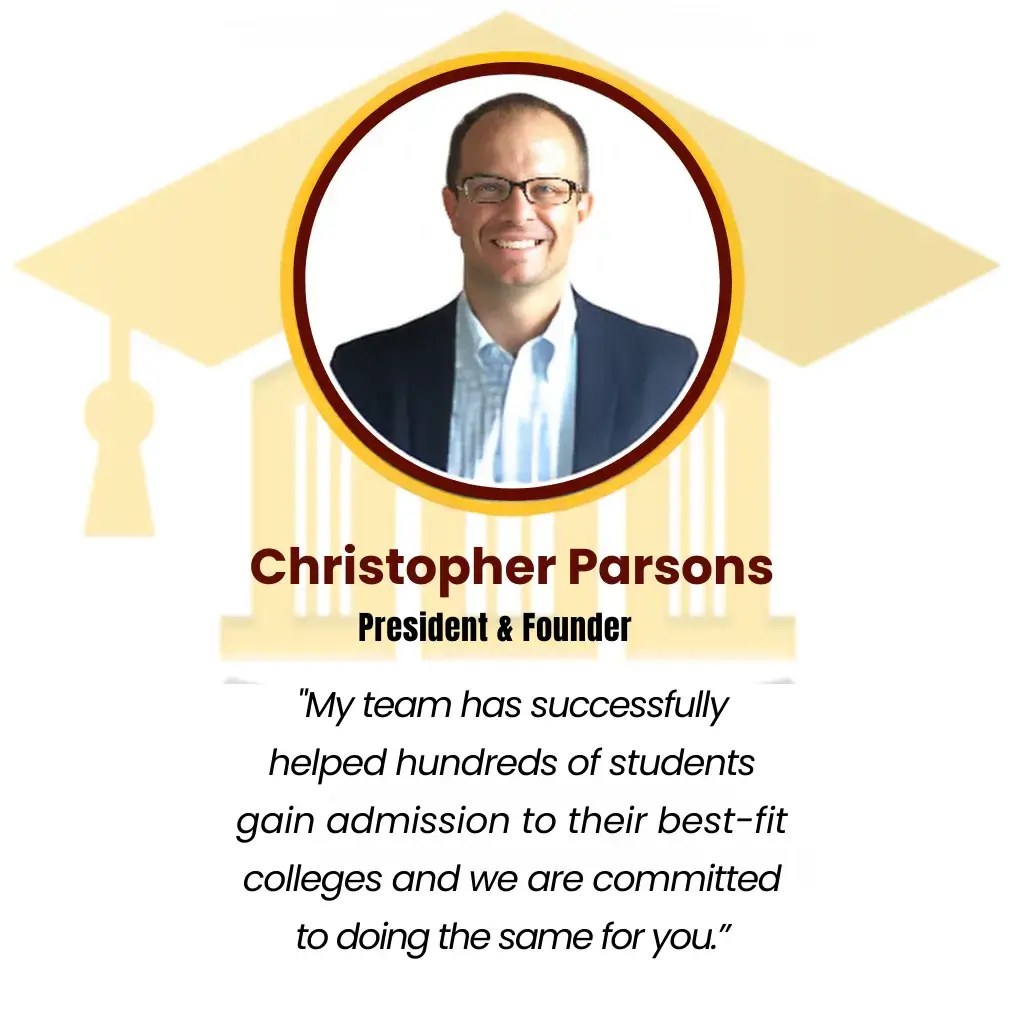
Special thanks to Christopher Parsons for writing this blog post.
Christopher has a strong educational background, including Doctoral studies in English Literature and Creative Writing, a Master’s Degree in English, and a Bachelor of Arts Degree in English and History. He also has a background in Mass Communications and Public Relations/Marketing.
He has successfully won scholarship offers from prestigious schools and over $250,000 in grants and scholarships. His real-world personal experience resonates well with today’s students.
